George A. Romero’s
Filmmaking Program
A 16-month intensive program in storytelling, directing, cinematography, editing and post taught by working filmmakers, built on the legacy of George A. Romero.
Frame your story.
Find your voice.
George A. Romero’s Filmmaking Program is a 16-month Associate in Specialized Business Degree built around hands-on production. Students direct, shoot, edit, and score original work on a real sound stage, in color suites, and inside an ADR & Foley studio while collaborating with Tom Savini’s SFX students on cross-program productions.
What the numbers say:
Skills you'll walk out with:
Screenwriting & Story
Directing & Shot Design
Cinematography
Sound Design & ADR
Producing & Budgeting
From script to screen
in a real studio.
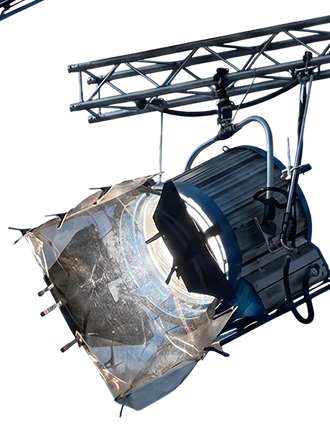
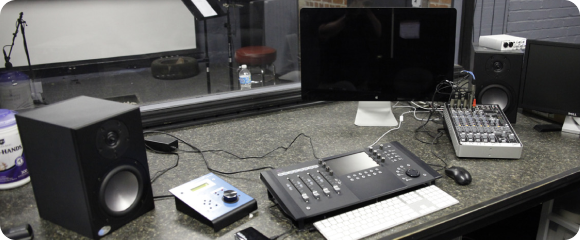
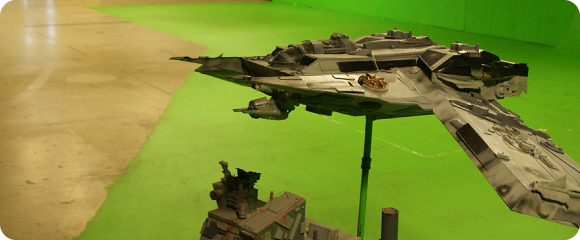
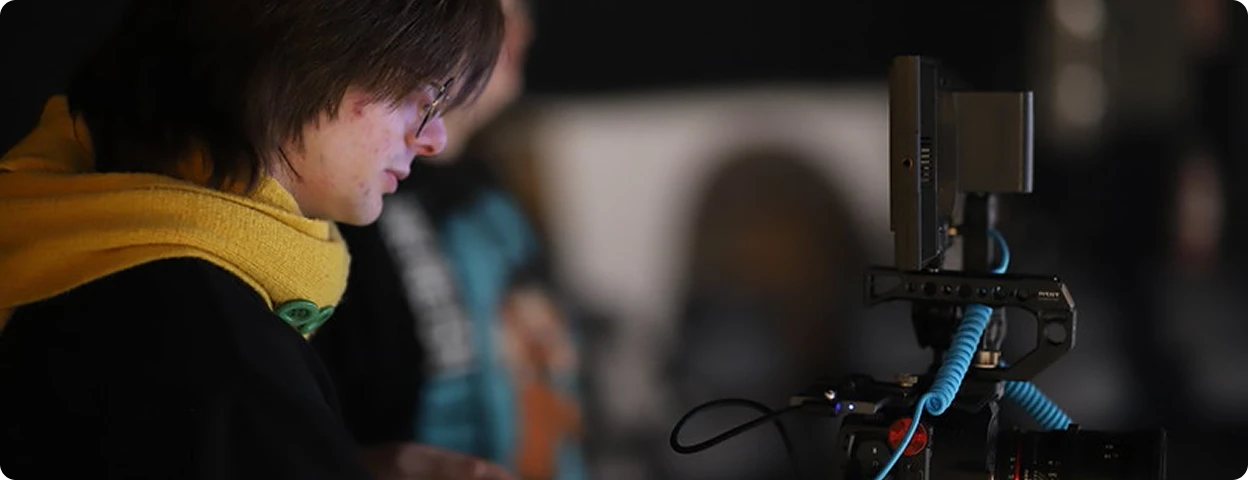
DEC filmmaking students don’t study theory in a vacuum; they shoot on a purpose-built sound stage, cut in professional color suites, and record in an ADR & Foley studio. Every project is made to production standards with the same gear used in the industry.
Professional film set
Romero × Savini collaboration
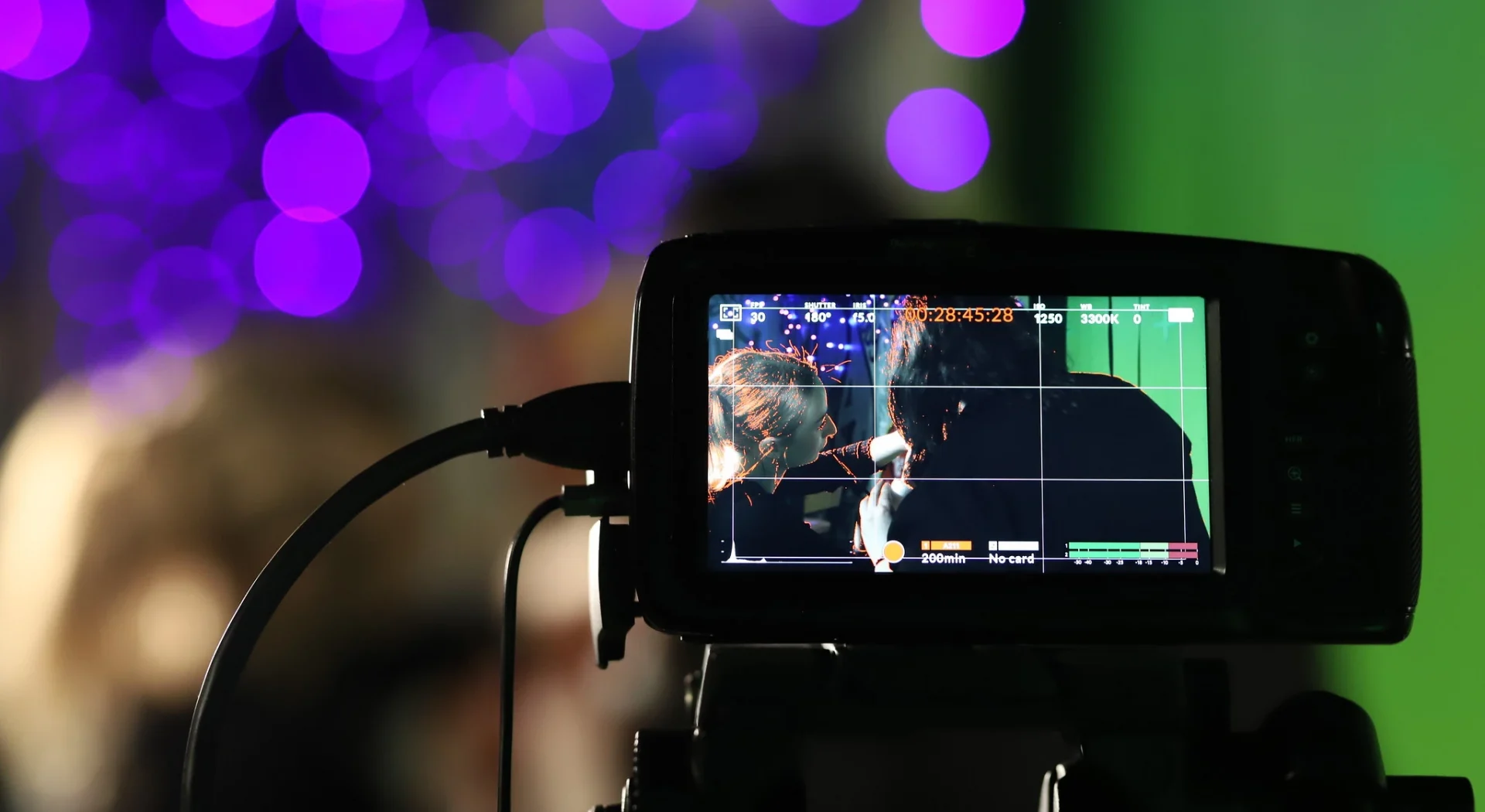
Film alongside Tom Savini’s SFX students, the exact cross-department collaboration you’ll find on any real production.
DEC graduates have worked with well-known studios.
Lifetime
— and more: EBuy Media · Grand Conspiracy Films · MTV/BET · NPV Video · Participant Media · Pure Flix · Rouse Video Production · Steeltown · Video Graphics Inc.
Inspired by the director who
defined independent film.
George A. Romero, director of Night of the Living Dead, Dawn of the Dead, and Creepshow, built a filmmaking legacy rooted in independent production and social storytelling. DEC’s program carries that spirit into every course, production, and edit suite.
DEC Filmmaking graduates have gone on to work with Amazon Prime, Netflix, Showtime, Participant Media, and independent studios across the region bringing original stories to screen.

“Make films that mean something. The story has to come first, the craft will follow.”
Learn from instructors with real industry experience.
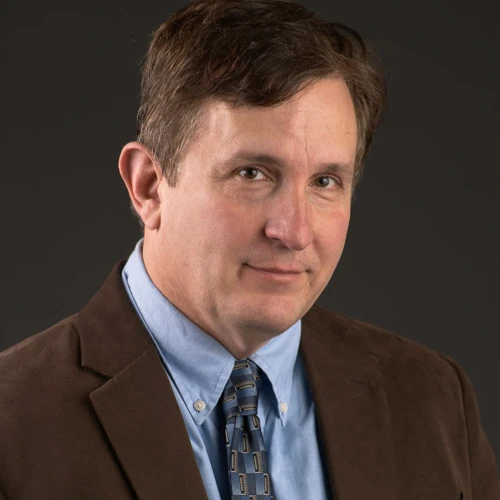
ROBERT TINNELL
- PROGRAM DIRECTOR
Digital Filmmaking · Program Director at DEC · B.A. Cinema, Columbia College
Director, writer, and producer with professional credits in film and television
Robert Tinnell is an award-winning American filmmaker, screenwriter, producer, and graphic novelist from West Virginia. He is particularly known for combining a lifelong passion for horror, fantasy, and popular culture with work across film, television, and comics. His film, Feast of Seven Fishes, won the Audience Choice Award for a Narrative Feature at the 2019 Heartland International Film Festival.
STEVE DIXON
- Instructor
Digital Filmmaking · Instructor at DEC · A.S.B., Douglas Education Center
Specializes in production and post-production workflow
A DEC alum, Stephen Dixon is an award-winning filmmaker, director, and producer whose work spans narrative film, documentary, and commercial projects, and who is also associated with Zombie Club, contributing to its creative development and genre-driven storytelling.
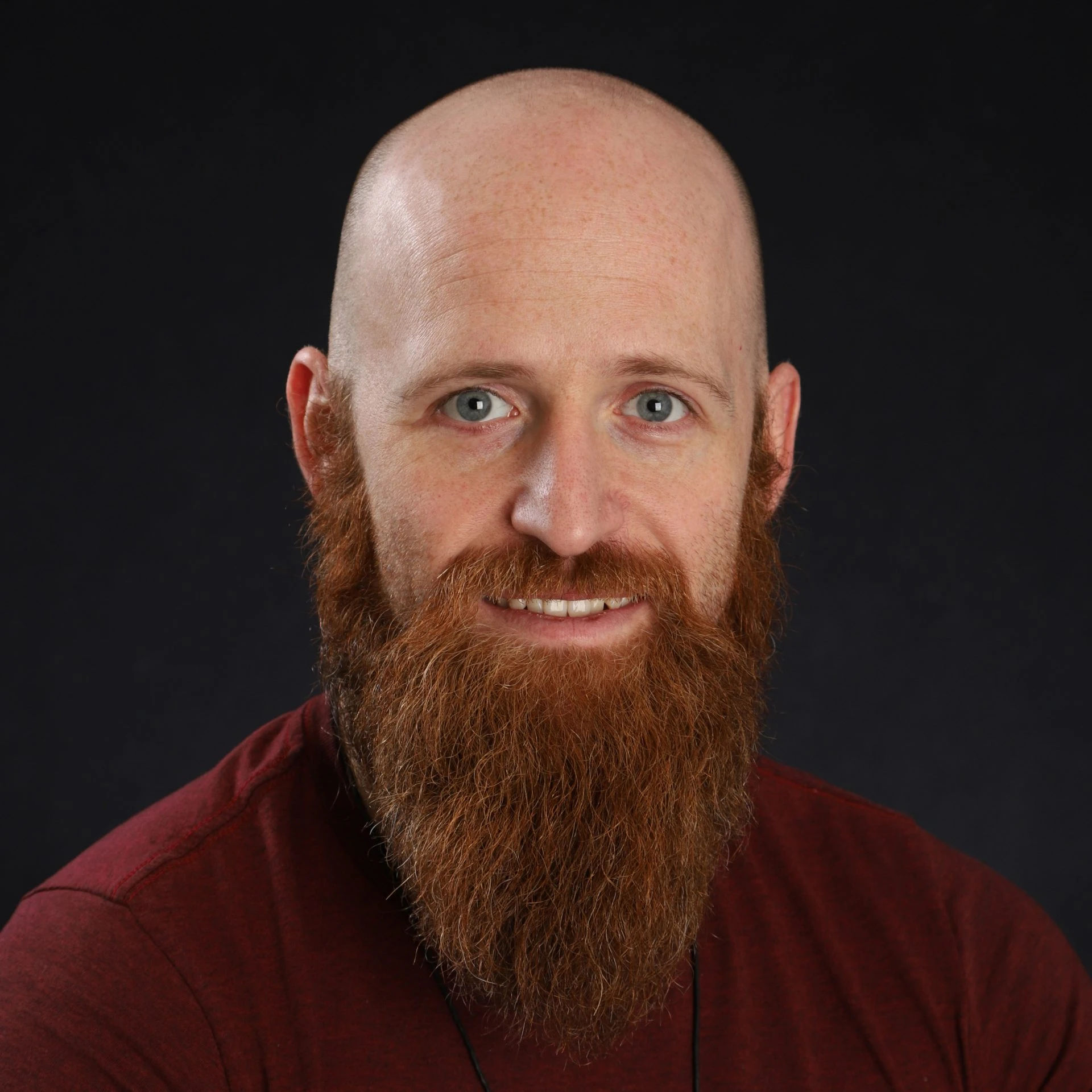
AARON MOORE
- Instructor
Digital Filmmaking · Instructor at DEC · A.S.B., Douglas Education Center
Cinematography, directing, and on-set production
Over the past 20 years, Aaron Moore, also known as “Thor,” has been actively involved as a cinematographer, director, writer, and other key positions within the film industry. His work credits include: The Zombie Club, Megan’s Christmas Miracle, The Cabin, Captain Happy Sun, and The Third Experience.
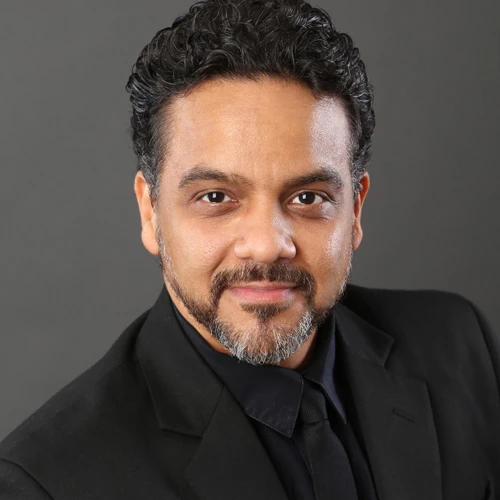
TONY BÁEZ MILÁN
- INSTRUCTOR
Digital Filmmaking, Instructor at DEC, B.A. – Cinema, Columbia College
Hollywood, screenwriter / author, film director, producer.
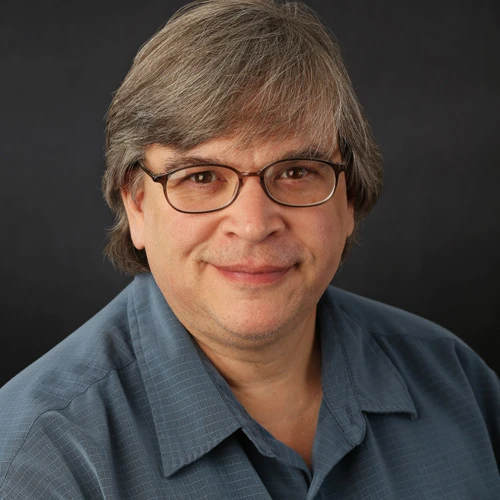
BRAD STALNAKER
- Instructor
BFA, Art, West Virginia University
Since joining DEC in 2010 as a film instructor, Brad has built a multi-faceted career in film, television, and motion graphics, serving as a multimedia Specialist at WVU since 2000 and contributing as an illustrator, animator, and producer on multiple award-winning projects.
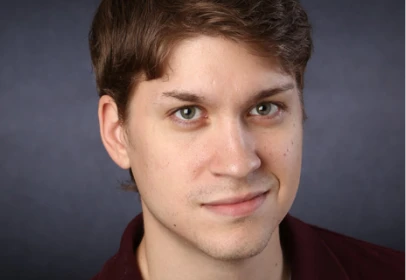
ANDY WESTFALL
- Instructor
ASB, The Factory Digital Filmmaking at Douglas, Douglas Education Center
Andy Westfall is a film producer, production manager, and assistant director known for his work on independent features and documentaries with over a decade of experience within the production pipeline.
First-hand on every set.
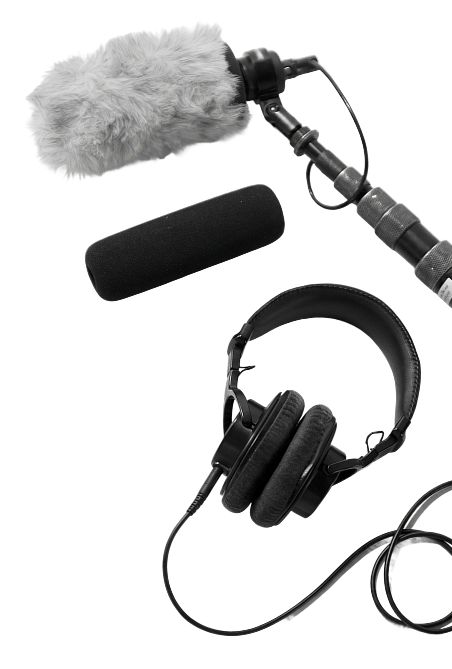
DEC’s filmmaking program utilizes advanced equipment and a working production set: theatre, color & editing suites, sound stage, ADR & Foley studio, make-up room, and post-production. Students rotate through every role.
01
Theatre
02
Color & editing suites
03
Sound stage
04
ADR & Foley studio
05
Make-up room
Providing hands on opportunities
06
Post-production
You asked.We answered.
What are the admission requirements for this program?
A prospective student seeking admission to George A. Romero’s Filmmaking Program must:
- Be a high school graduate or possess a General Education Development (GED) Diploma or recognized equivalency certificate.
- Complete an application form and pay a one-time application fee ($50.00) and one-time registration fee ($100.00).
- Request an official high school transcript be sent directly to the Admissions Department.
- Successfully complete the Wonderlic Scholastic Level Examination with a minimum score of 17.
- Sign an Enrollment Agreement.
- Sign the “Student Acknowledgement for Online Education” outlining the technical requirements necessary to enroll in online or hybrid courses. This acknowledgement is outlined under Technology Requirements.
- Complete the assessment “Are You Ready for Online Education?”
Successfully complete an “Online Basic Computer Literacy Assessment” with a minimum passing score of 70%. A maximum of 3 attempts will be granted.
How long is the program and what is the schedule?
- Length: 16 months/4 semesters
- 4-6 classes each semester (on-ground, online, & hybrid)
Courses in George A. Romero’s Filmmaking Program are generally scheduled in five-hour blocks, Monday through Friday. Times will vary by semester depending on filming opportunities and availability, and/or the location of the filming. Students will be promptly notified once locations and opportunities have been confirmed, as well as any potential changes.
Is financial aid available?
Yes, financial aid is available to those who qualify. Funding options may include federal Title IV aid (such as Pell Grants and Direct Student Loans), Pennsylvania State Grants, Veterans’ Education Benefits, agency-sponsored funding (e.g., Office of Vocational Rehabilitation), institutional and external scholarships, and private financing options.
What will I be able to do after I graduate?
With a strong foundation in both the creative and technical sides of filmmaking, students are prepared to take ideas from concept through post-production. Career opportunities include:
- Film Director
- Producer
- Cinematographer
- Camera Operator
- Screenwriter
- Film/Video Editor
- Sound Designer
- Production Manager
- Assistant Director
- Production Coordinator
- Colorist
- Content Creator
- Commercial/Advertising Producer
- Television Production Specialist
- Post-Production Editor
What does a typical class day look like?
Class days vary by course and topic. Some days focus on theory-based classroom learning, while others emphasize hands-on practice and film set experiences to build real-world skills.
Do I need prior filmmaking experience to apply?
At Douglas Education Center, our filmmaking program is designed to take you from a complete beginner to a skilled industry professional. We start with the core fundamentals, teaching you everything you need to know about the production cycle, from scriptwriting and directing to cinematography, lighting, sound, and editing.
Our industry-professional instructors and hands-on studio environment provide all the training and tools you need to build your skills and your creative portfolio from the ground up.
What equipment and facilities will I have access to?
At Douglas Education Center, students in George A. Romero’s Filmmaking Program train in the dedicated George A. Romero Film Building. This facility functions like a real, working production studio.
You will have daily, hands-on access to industry-standard equipment and specialized facilities, including:
Dedicated Production Facilities
- Large Sound Stage: A professional staging area equipped with a massive green screen for shooting controlled indoor scenes.
- 50+ Seat Theater: A private screening theater used to watch, critique, and premiere student film projects.
- Wardrobe & Make-up Department: Complete with private dressing rooms and a dedicated area to prep actors.
- Production Office: A designated administrative space to coordinate, schedule, and plan your film shoots.
Industry-Standard Gear & Equipment
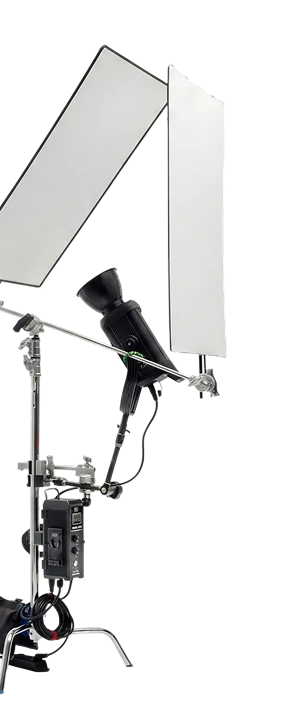
- Camera & Grip Gear: A fully stocked inventory of professional cameras, tripods, dollies, and lighting rigs.
- Post-Production Suites: Dedicated editing suites and digital mixing rooms loaded with professional software, soundtracks, and microphone kits.
- Set Construction Tools: Access to hand and power tools to build custom sets, props, and backdrops.
Can Filmmaking students collaborate with Tom Savini's Special Make-Up Effects students?
Yes, collaborating with the special effects students is a major part of the hands-on experience here.
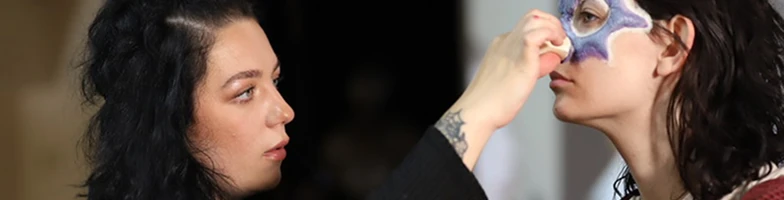
Because our Tom Savini’s Special Make-Up Effects Program and George A. Romero’s Filmmaking Program are located right on the same campus, it is easy for students to connect. Both programs are structured to mimic the real-world employment scenarios you will face in the industry, allowing you to collaborate directly with other creative departments on specific film and video projects throughout your time in the program.
How the Collaboration Works:
- Real Movie Sets: Filmmaking students are able to write and direct film projects that feature the custom prosthetics, creatures, and prop effects built by the special effects students.
- Shared Portfolio Building: Filmmaking students can receive high-production-value makeups and pieces for their directing reels. At the same time, special effects students can receive professional, camera-ready video footage of their work under proper studio lighting.
- Cross-Program Projects: Opportunities to team up for collaborative class assignments, local independent film shoots, and official school web series.
While you’re here:
Ready to take
the next step?